
Brands
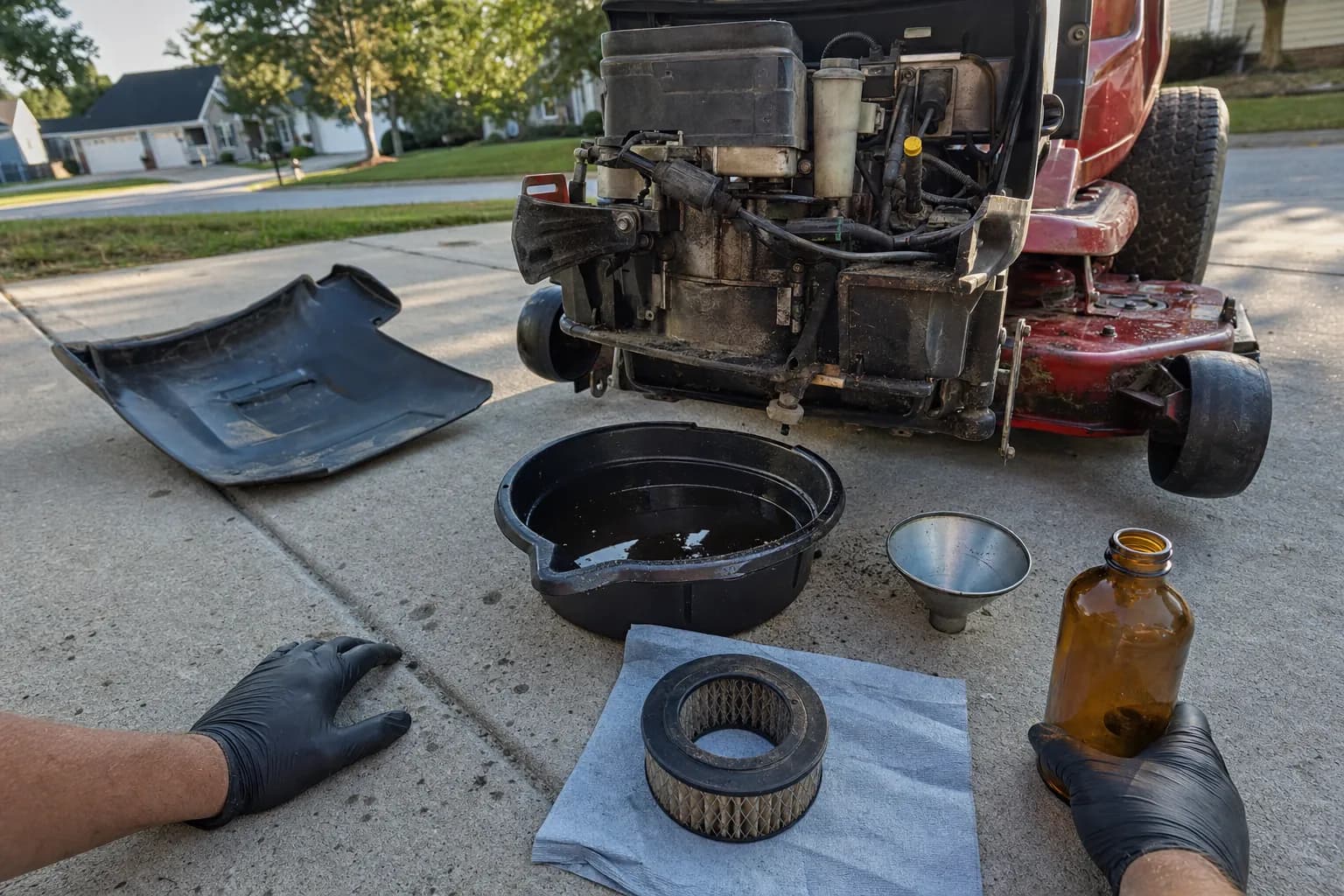
Snapper repair at your place
We are not a dealer counter. We come to the equipment from Waxhaw.
What we service on Snapper
Snapper mowers, including older machines that still cut. Work is at the machine, not a dealer counter.
Small engines, not only mowers: string trimmers and weed eaters, blowers, chainsaws, pressure washers, and other small-engine equipment. Brands commonly seen in the field include Husqvarna, John Deere, Toro, Cub Cadet, Troy-Bilt, Craftsman, Snapper, Ariens, Honda, Briggs & Stratton, and Kohler.
- Riding mowers, zero-turns, and push mowers
- String trimmers and weed eaters
- Blowers
- Chainsaws
- Pressure washers and other small-engine equipment
The visit
Work is in the yard or driveway. Common parts ride on the van. If a part has to be ordered, a loaner mower is available while you wait.
Tell us the machine and the address
We confirm coverage and timing by reply. Submitting the form does not hold a time. Onsite service is typically within 2–3 days.